connectivity
The Starlink Gap: Why Every Army Needs a Layer Between Satellites and the Ground
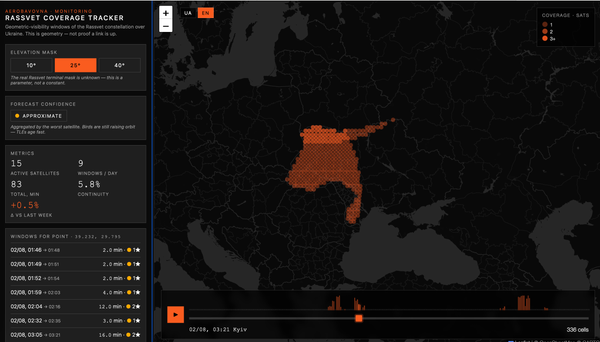
Starlink transformed battlefield communications. And then, in certain places and situations, it stopped working. Here is why — and what fills the gap.
UGV
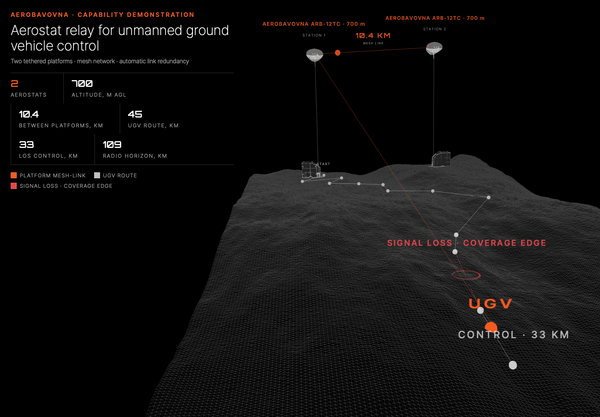
Ukraine plans to procure 50,000 unmanned ground vehicles in 2026. Nearly all of them run on Starlink. That is a capability. It is also a dependency — and one that European armies cannot replicate at all.
Fiction has understood this for a long time. Military observation balloons appear in the earliest war games. A Ukrainian studio set in the Chornobyl Exclusion Zone put one at the center of its most critical tactical location. And an animated film imagined floating wind farms above a megacity years before
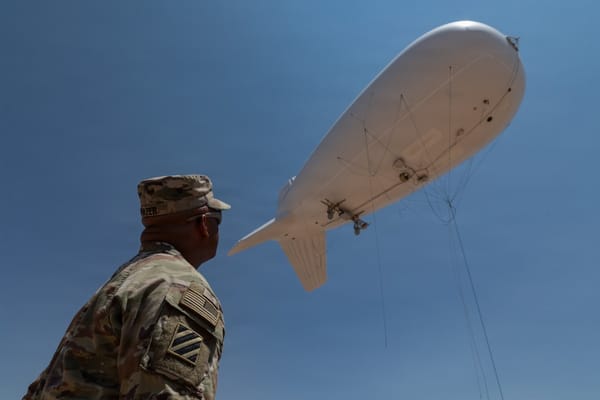
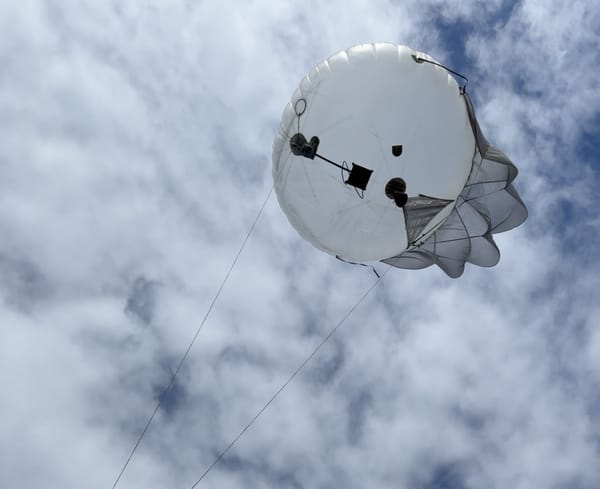
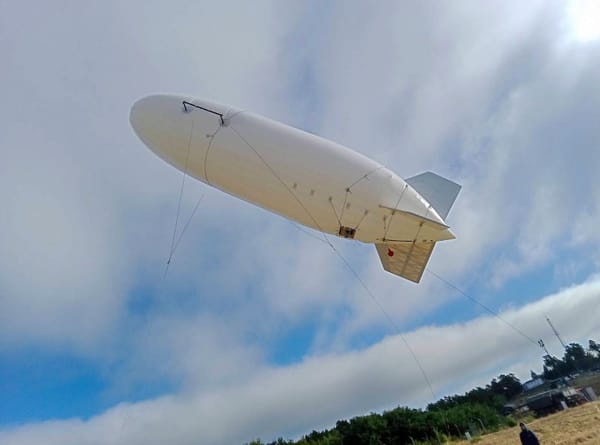
aerostats
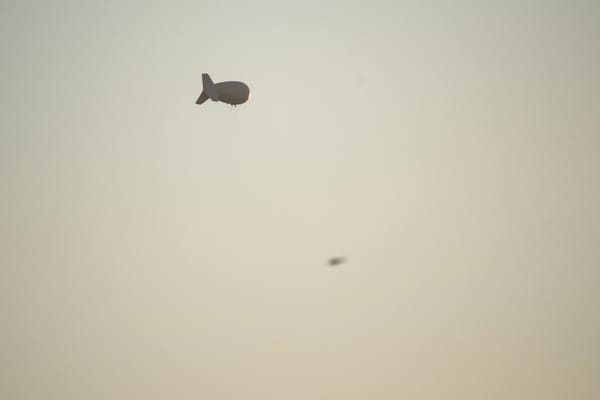
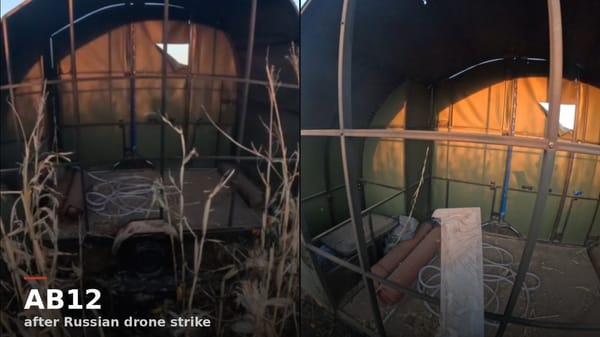
Incident 01 Shot Down by Missiles 1981 "Fat Albert" and the Lobster Fishermen of Florida 📍 Cudjoe Key, Florida, USA · August 1981 The TARS aerostat over Cudjoe Key — the one locals nicknamed "Fat Albert." Photo: U.S. Customs and Border Protection It started as a routine descent
Sceye SE2 and Kelluu both made headlines this week. Both silver, both lighter than air. But comparing them is like comparing a moped and a Boeing 747 just because both have engines.
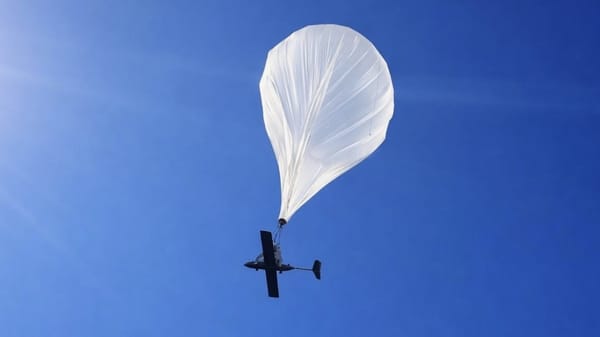
A new class of aerial platform is emerging: small, autonomous, lighter-than-air drones. Not the giant rigid airships of the 1930s — purpose-built, technology-dense machines that can stay aloft for hours, carry sensor payloads, and operate silently in environments where conventional drones struggle. Three converging technologies are making this possible now: lightweight
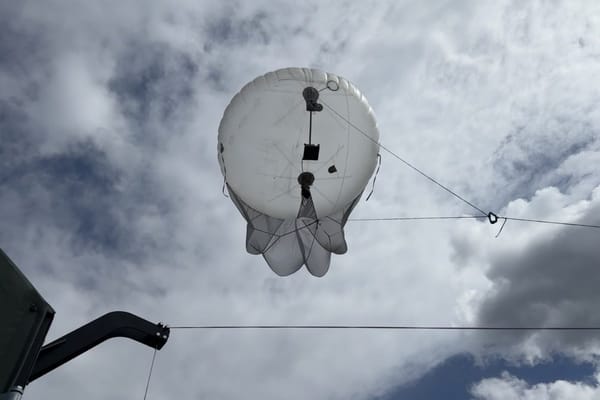
The Rise of Tethered Aerial Platforms Over the past three years, tethered aerial platforms have moved from niche research projects into active military and public safety procurement. The driver is straightforward: free-flying drones are limited by battery life. A multirotor that carries a useful payload — a communications radio, a surveillance
When explaining aerostat-based RF infrastructure to clients, one concept comes up every time: how does radio horizon change with altitude? The physics is straightforward — lift a relay higher and the line-of-sight footprint grows. But showing that relationship in a way that's quick to grasp has always been harder
Just read it at Defence-blog https://defence-blog.com/ukrainian-company-brings-aerostats-back-to-modern-warfare/
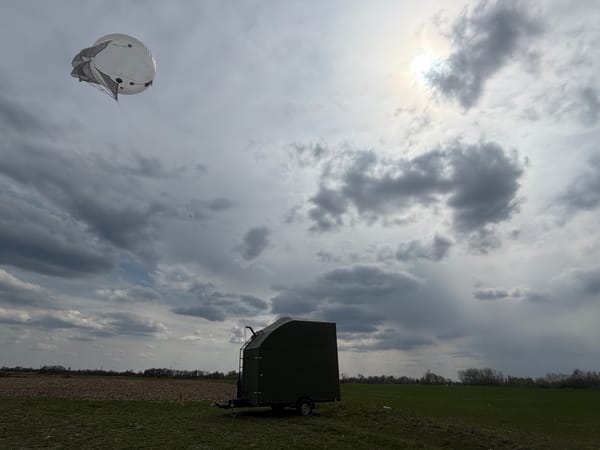
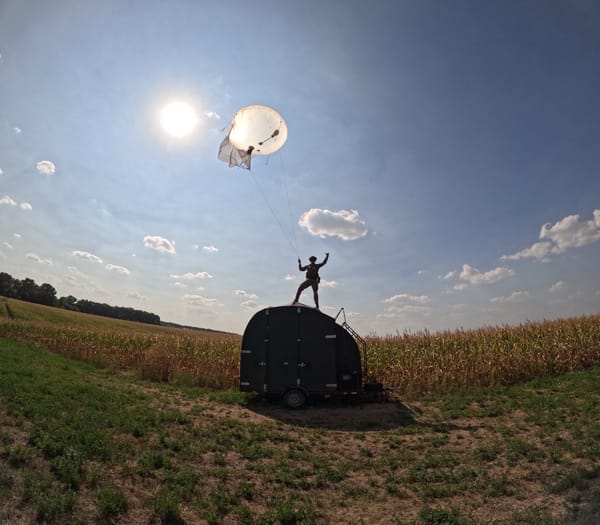
At Aerobavovna, we recently conducted field tests to evaluate Persistent Systems MPU5 radios deployed on our aerostats — simulating a mobile air defence communication scenario. The goal: maintain stable, high-throughput network connectivity across moving units over large areas. Three aerostats were positioned 30 km apart at 1,000 meters altitude, each
Insights on aerostats from Ukraine