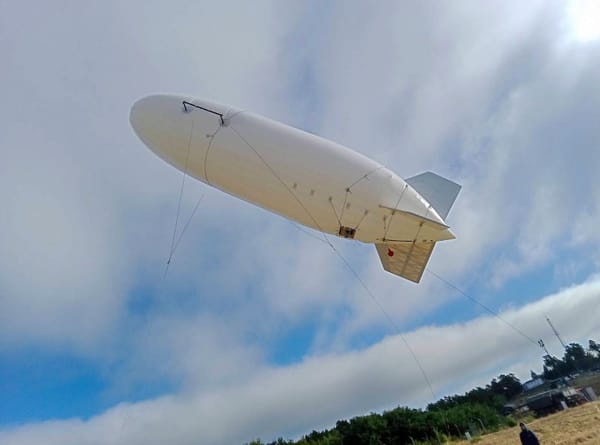
HAPS over the Baltic — and this is not an isolated case

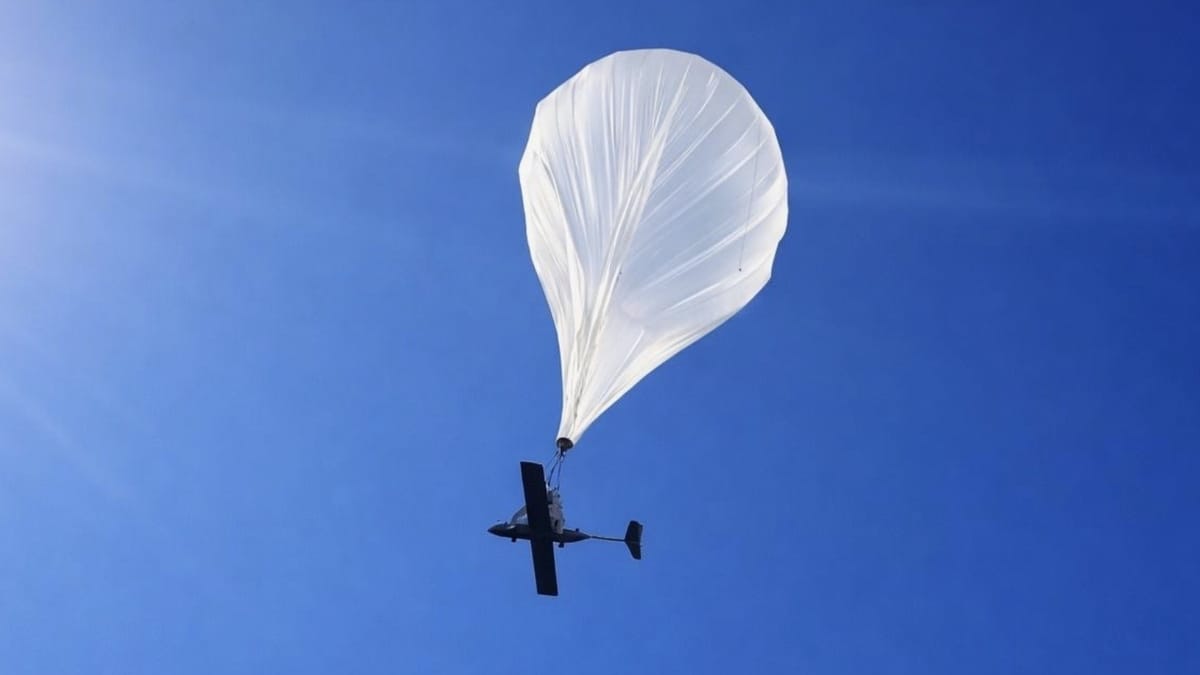
In early May 2026, the U.S. Army conducted a training exercise over the Baltic region: Micro-HABs launched from Sweden and landed in Latvia after 24–30 hours of flight at altitudes above 18,000 meters. The stated objective — validating sensors and communications relay under real operational conditions.
Over the past two years, exercises like this have been happening regularly, across different parts of the world.
- Vanguard 24 (September 2024) — microHABs tested CURTAIN: a continuous long-range signal relay through a chain of high-altitude balloons.
- Valiant Shield 2024 (Guam, June 2024) — Raven Aerostar Thunderhead balloons deployed under Indo-Pacific Command for surveillance and communications across the Pacific theater.
- Balikatan 2024 (Philippines, April–May 2024) — Urban Sky Microballoon tested by the U.S. Army's 1st Multi-Domain Task Force over the South China Sea.
- Arctic Edge 2025 (Alaska) — Raven Aerostar high-altitude platform launched in Arctic conditions, validating performance in extreme environments.
- UNITAS 2025 (Atlantic Ocean, September 2025) — World View Stratollite selected as exclusive high-altitude balloon provider for the world's longest-running multinational maritime exercise. Integrated with AI-driven ISR analytics and a resilient communications mesh.
- Indo-Pacific, 2026 — large-scale swarming balloon exercises planned.
And this is only what made it into open sources.
Armies are testing HAPS for communications and surveillance — consistently, regularly, across different conditions.