Aerostats at Mass Events: What the Operational Record Actually Shows
The question is not whether this works. It's who else has done it.
Three Olympics. One World Cup. One European Championship. Two papal visits with crowds in the hundreds of thousands. G8 summits. COP21. State funerals with sitting presidents.
**Rio de Janeiro, FIFA World Cup 2014.** Fan Fest zone, tens of thousands of people. One aerostat. Seventy-two hours of non-stop operations per cycle.
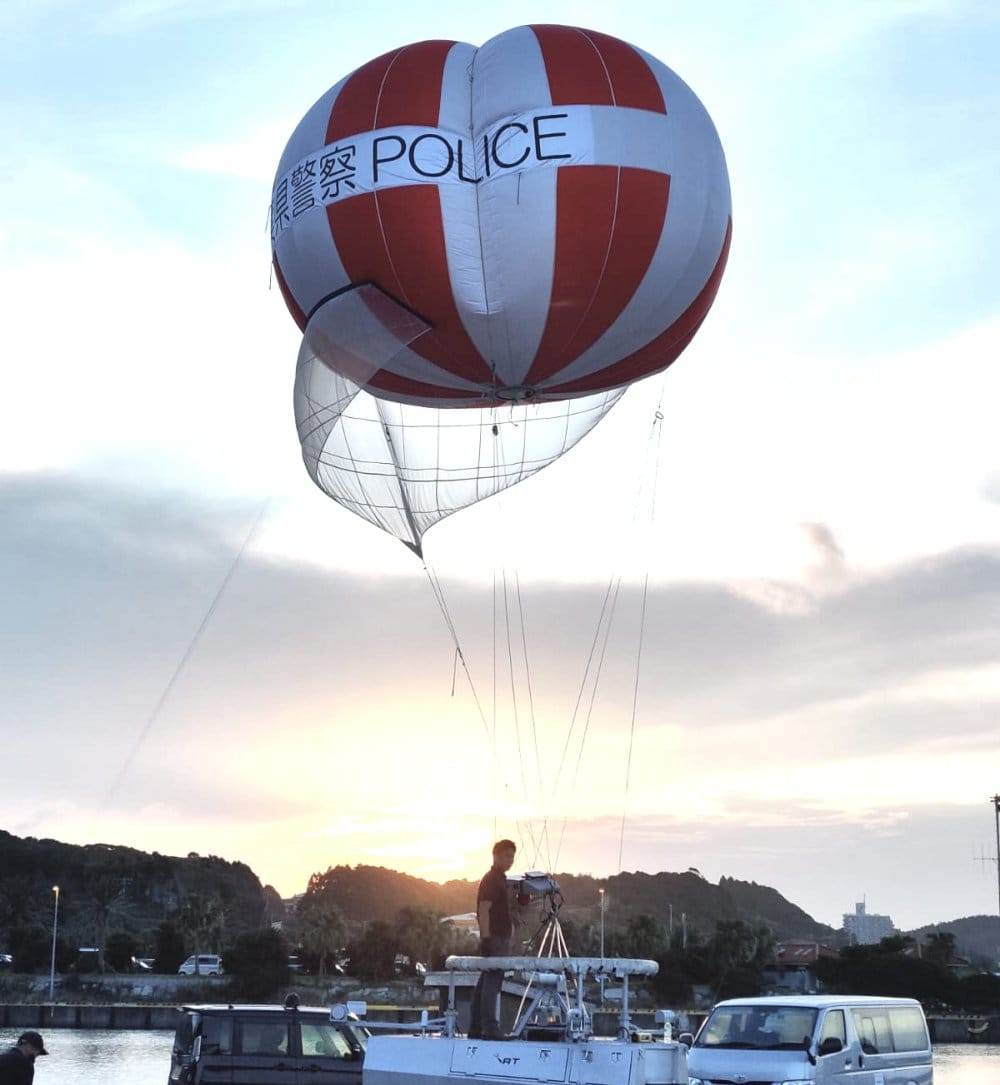
**Tokyo Olympics 2021.** Multiple positions, directly integrated with Tokyo Metropolitan Police Command and Control. Not passive observation — feeds inside the C2 architecture.
**Jerusalem, 2015.** Three systems deployed along the light rail route during the knife attack and car-ramming wave. Police reported an immediate decrease in unrest.
**Miami Beach, December 2018.** Florida law bans police drone surveillance. Aerostats fall outside that classification — confirmed on record by the City Manager. First documented US law enforcement use of an aerostat as a legal drone alternative.
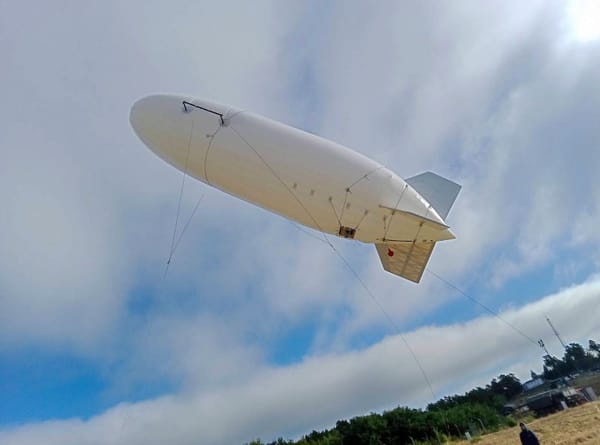
Event security has one requirement: continuous elevated observation over a defined zone, without interruption. Drones run in shifts. An aerostat at altitude with a stabilized EO/IR payload runs for the full event duration — stable in winds up to 90 km/h, repositionable between events.
Three things the record shows: integration depth has increased — Tokyo 2021 was full C2, not a camera feed. The vendor-operated model works — Israeli Police runs a standing service contract, staffed by the vendor. And Olympics is now a reference customer. When someone asks for precedent, that conversation is short.
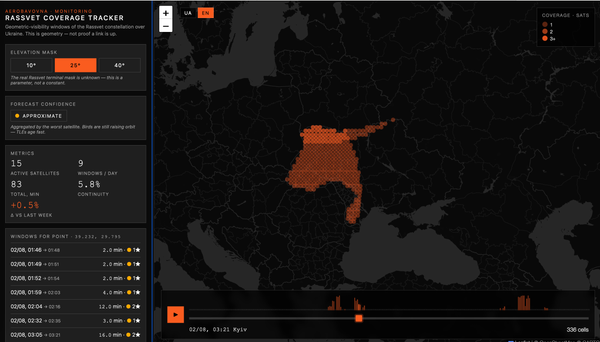
**Kyiv, 2026.** Aerobavovna is preparing to deploy its aerostat system at public events in the capital in the coming months — the first operational deployment of this kind in Ukraine. Same model: continuous elevated observation, vendor-operated, stabilized EO payload over the event zone. The precedent is documented. The technology is ready.