Visualising Radio Horizon from an Aerostat

Key takeaways
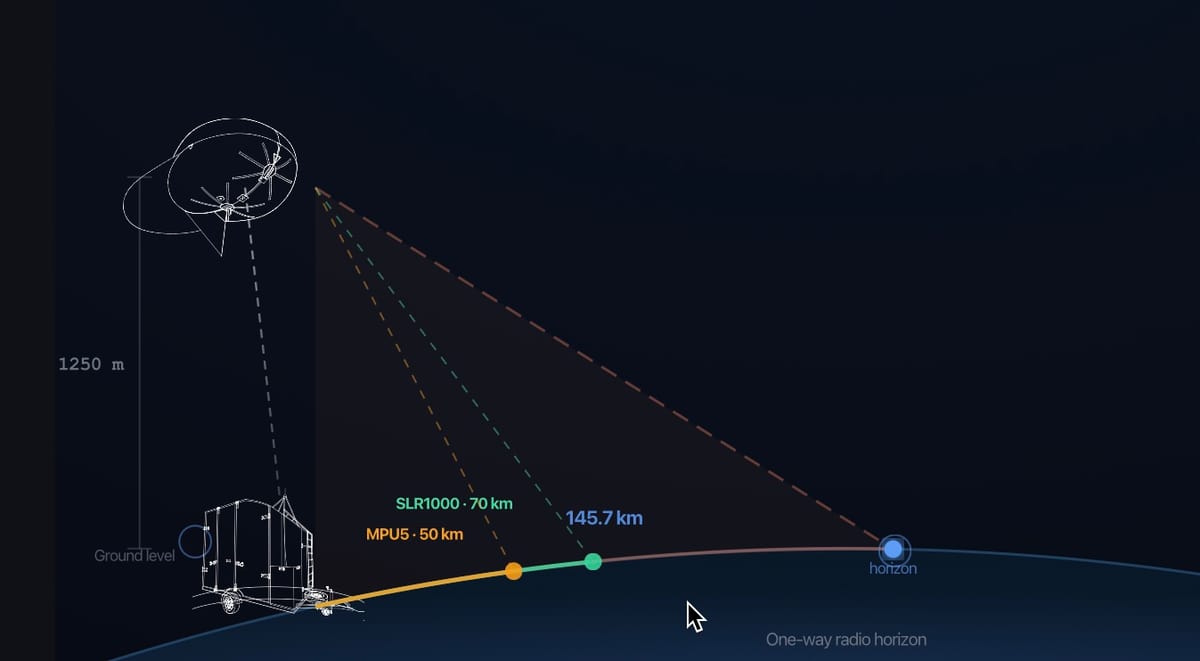
TL;DR. Lift a relay higher and its line-of-sight footprint grows. Our interactive calculator shows radio horizon from an aerostat between 100 m and 1,500 m using the radio-horizon formula with atmospheric refraction (k=4/3) — baseline figures for omnidirectional antennas.
- Interactive calculator: altitude range 100–1,500 m
- Model: radio-horizon formula with atmospheric refraction (k=4/3)
- Figures are baselines for omnidirectional antennas — not guarantees
- Directional antennas, terrain and weather shift the numbers
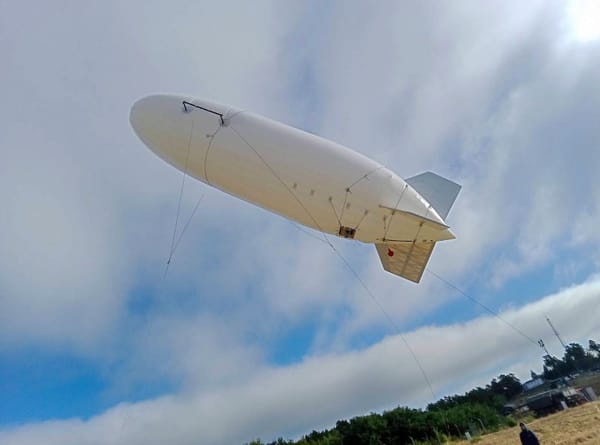
When explaining aerostat-based RF infrastructure to clients, one concept comes up every time: how does radio horizon change with altitude?
The physics is straightforward — lift a relay higher and the line-of-sight footprint grows. But showing that relationship in a way that's quick to grasp has always been harder than it should be. We've accumulated a lot of real-world data on different systems and their reach from different altitudes, and turning that into something visual meant a lot of manual work.
So we built this calculator. Move the slider, see the horizon change, toggle the radio systems you're interested in.
You can try it - link below
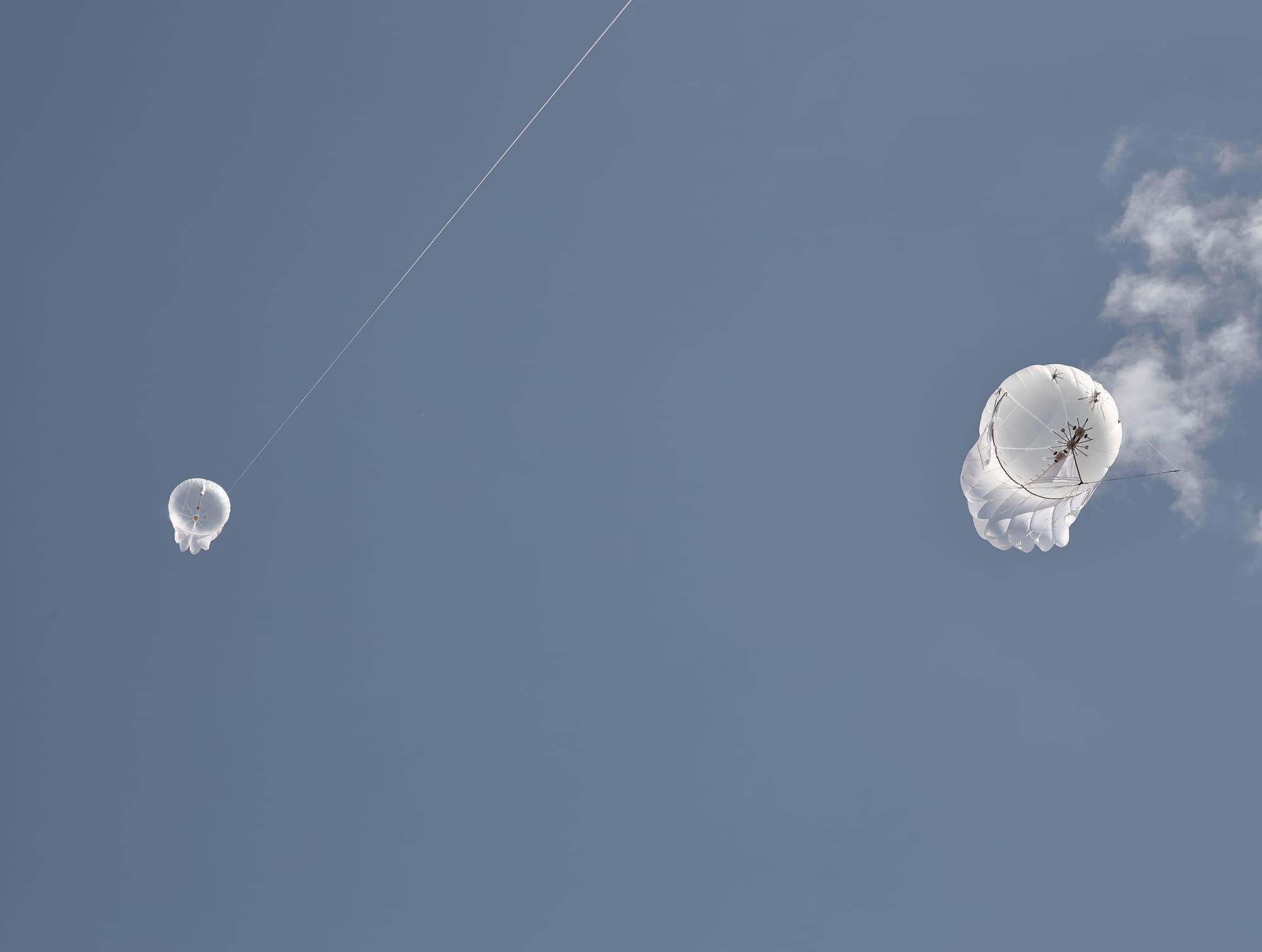
A few things worth knowing before you dig in: all reach figures are measured using omnidirectional antennas. Directional antennas, terrain, weather conditions, and system-specific configurations will all shift the numbers — sometimes significantly. Think of these as solid baselines, not guarantees.
That's crazy that you can make such interactive visualisations in few ours using Claude.
FAQ
How does altitude affect radio horizon from an aerostat?
Line-of-sight range grows with altitude; the calculator models 100–1,500 m using the radio-horizon formula with atmospheric refraction (k=4/3).
Are the coverage figures guarantees?
No — they are baselines for omnidirectional antennas. Directional antennas, terrain and weather will shift the numbers.