Radionor's CRE2 Is Now I-BEAM
Radionor rebranded CRE2 to I-BEAM. The point worth making is the antenna: phased array gives you directional gain without the pointing problem.

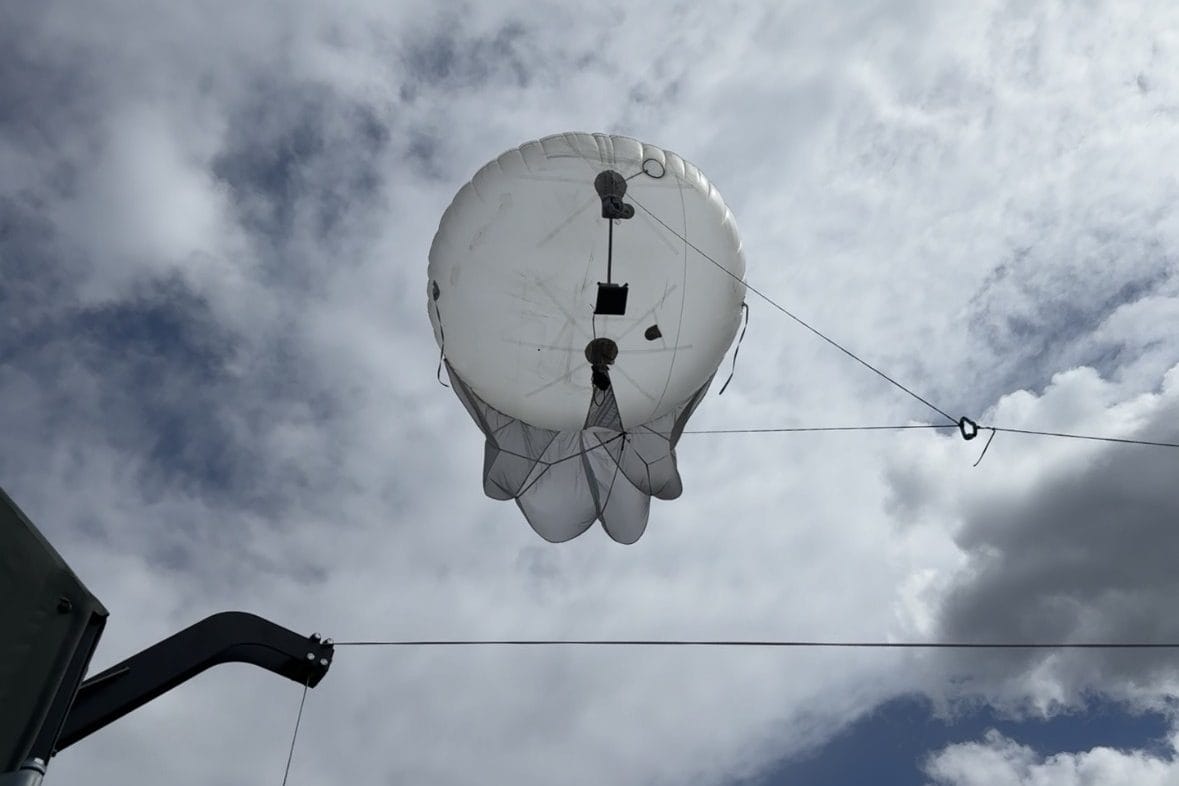
Radionor rebranded the CRE2 line to I-BEAM in spring 2026. Same hardware: CRE2-360 → I-BEAM 360, CRE2-AERO → I-BEAM 360 AERO, CRE2-COMPACT → I-BEAM RUGGED. The UAV units, including the CRE2-179-UAV, ride under the same banner.
An airborne relay runs either omnidirectional or directional antennas. Directional buys range and EW resilience, but pays for it with the pointing problem — keeping a narrow beam on a moving node while the platform drifts, rotates and sways. Mechanical steering is heavy, slow and unreliable in wind.
Phased array is what makes directional practical in the air: the beam is steered electronically, thousands of times per second, no moving parts. Directional gain without the orientation problem, plus point-to-multipoint and instant switching between fast movers. That is why these radios hold up where omnidirectional links run out of range and mechanically-steered ones lose the target.
They have earned that reputation in Ukraine, fielded through the war and holding up under live electronic warfare.
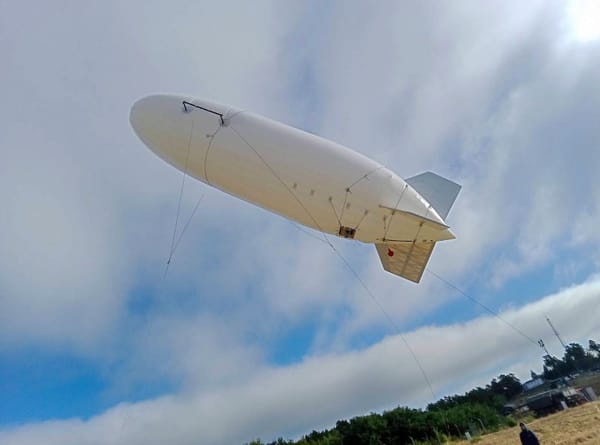
This is the direction airborne relays are heading. Omnidirectional and mechanically-pointed antennas are the transitional step; electronically steered phased array becomes the default for anything that has to keep a link alive under EW. For elevated connectivity it matters most — height gives you the line-of-sight, the beam is what lets you use it.