analysis
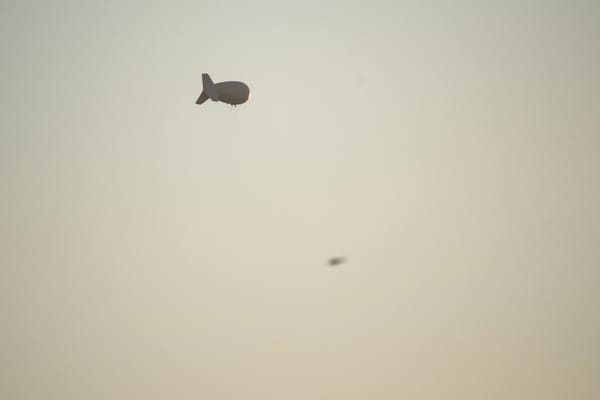
Erbil Update: The TARS Aerostat Was Destroyed on 2 September
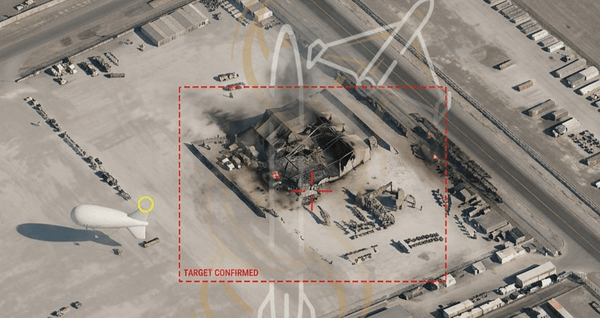
Six weeks after the ground facility was burnt out, an IRGC drone and missile attack took the U.S. TARS over Erbil out of the air. Two hits on one fixed site.

analysis
Six weeks after the ground facility was burnt out, an IRGC drone and missile attack took the U.S. TARS over Erbil out of the air. Two hits on one fixed site.
haps
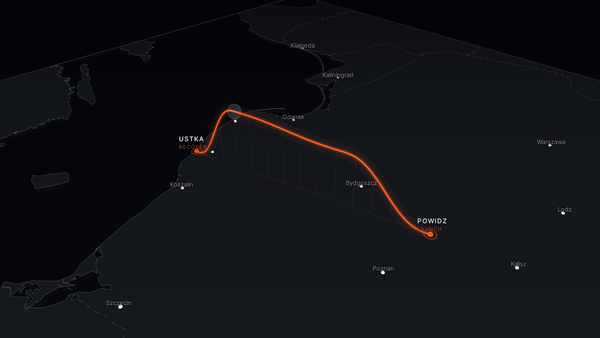
Details of the U.S. Army's July 2026 micro high-altitude balloon exercise in Poland: unit, altitudes, payloads, recovery, airspace coordination, and the prior launches it built on.
analysis
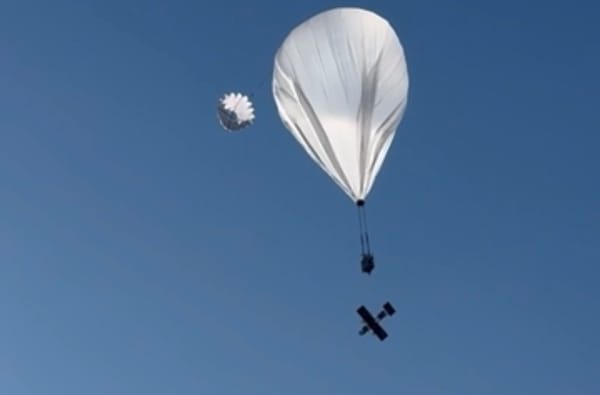
The Senate Armed Services Committee recognized the stratosphere as an emerging operational domain in its FY2026 NDAA report. Urban Sky's $11.3M APFIT award funds production and fielding of a stratospheric platform — not first-time funding for the category.
analysis
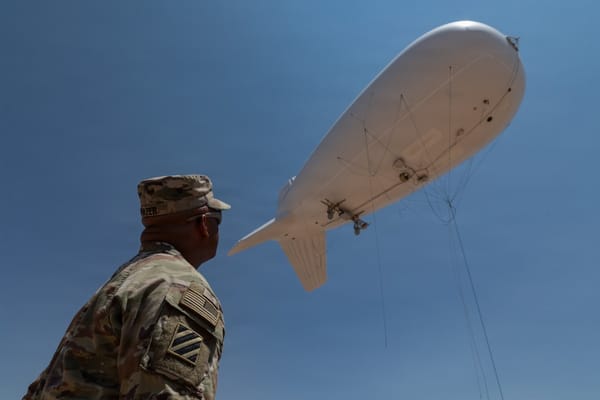
The U.S. Army just renewed its tethered-aerostat surveillance program through 2031. It confirms the category is here to stay — and it draws a clean line between what legacy aerostats are for and what we are building.
analysis
A cheap drone or missile was enough to knock out a strategic radar aerostat — and it has now happened twice. The lesson isn't "build a tougher big aerostat" — it's the opposite.

analysis
Radionor rebranded CRE2 to I-BEAM. The point worth making is the antenna: phased array gives you directional gain without the pointing problem.
haps
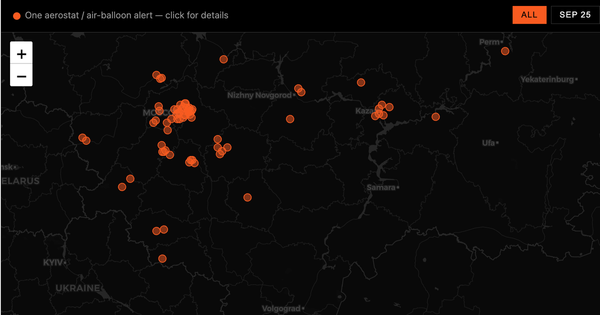
An open-source map of HAPS alerts over Russia, aggregated from open Russian sources.
News
After months of swarm exercises, the U.S. Army just issued its first formal procurement notice for high-altitude balloon systems.

haps
In early May 2026, the U.S. Army conducted a training exercise over the Baltic region: Micro-HABs launched from Sweden and landed in Latvia after 24–30 hours of flight at altitudes above 18,000 meters. The stated objective — validating sensors and communications relay under real operational conditions. Over