Poland's BASIA Aerostat Demonstrator Completes Trials at Dzielny Bóbr-26
A Polish tethered aerostat carrying a passive radar was trialled at an army field exercise in September. Its developers position it as a complement to the Barbara aerostat programme.

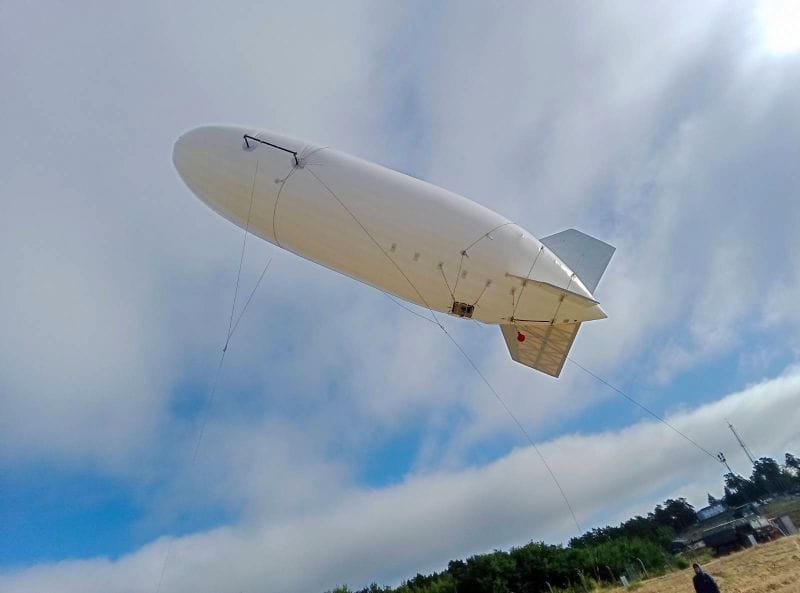
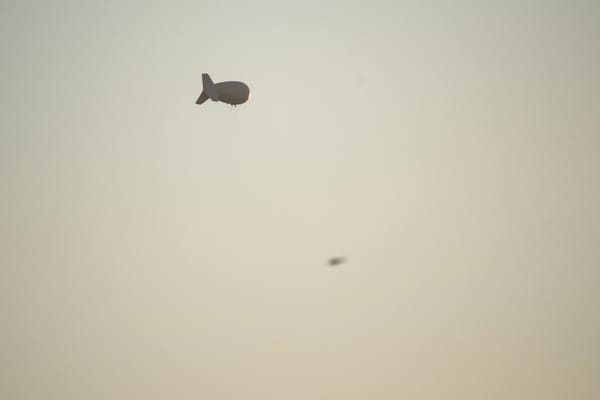
On 25 September 2026, WZŁ-1, part of the state-owned Polish Armaments Group (PGZ), reported that the BASIA demonstrator had completed combat utility trials during the Dzielny Bóbr-26 exercise at Wędrzyn.
BASIA is a tethered aerostat that lifts a sensor suite to about 300 m. The main sensor is a passive coherent location (PCL) radar developed by the programme lead, XY-Sensing. The radar detects targets without emitting a signal of its own. The stated targets are low-flying drones and small UAS, as well as vehicles and people. The system can be moved to a new site and redeployed. It was first shown in March 2026 and is still at demonstrator stage. The announcement does not mention a procurement contract.
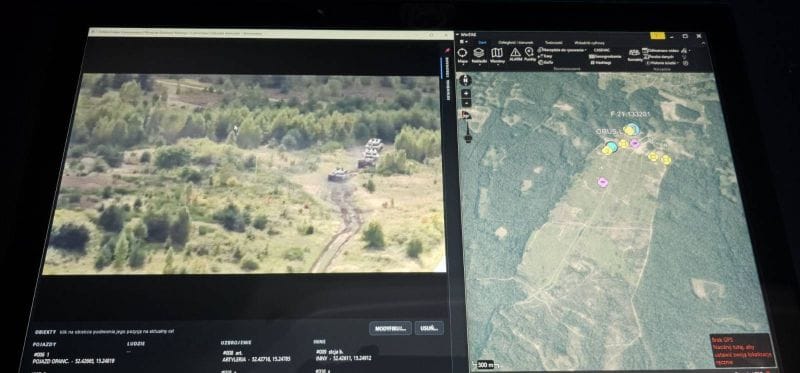
The developers describe BASIA as a complement to Barbara, Poland's order for four large U.S.-built radar aerostats (about $960M, signed May 2024). The first Barbara aerostat is scheduled for delivery by the end of 2026, and the full system for the end of 2027.
Assessment
WZŁ-1 also used the exercise to test the communications for BASIA. A tactical radio integrator and a LEO manpack terminal linked BASIA ground stations at different locations into a single system and connected them to a higher-level command post. A mobile aerostat system spread across several sites has to carry its own links between those sites.
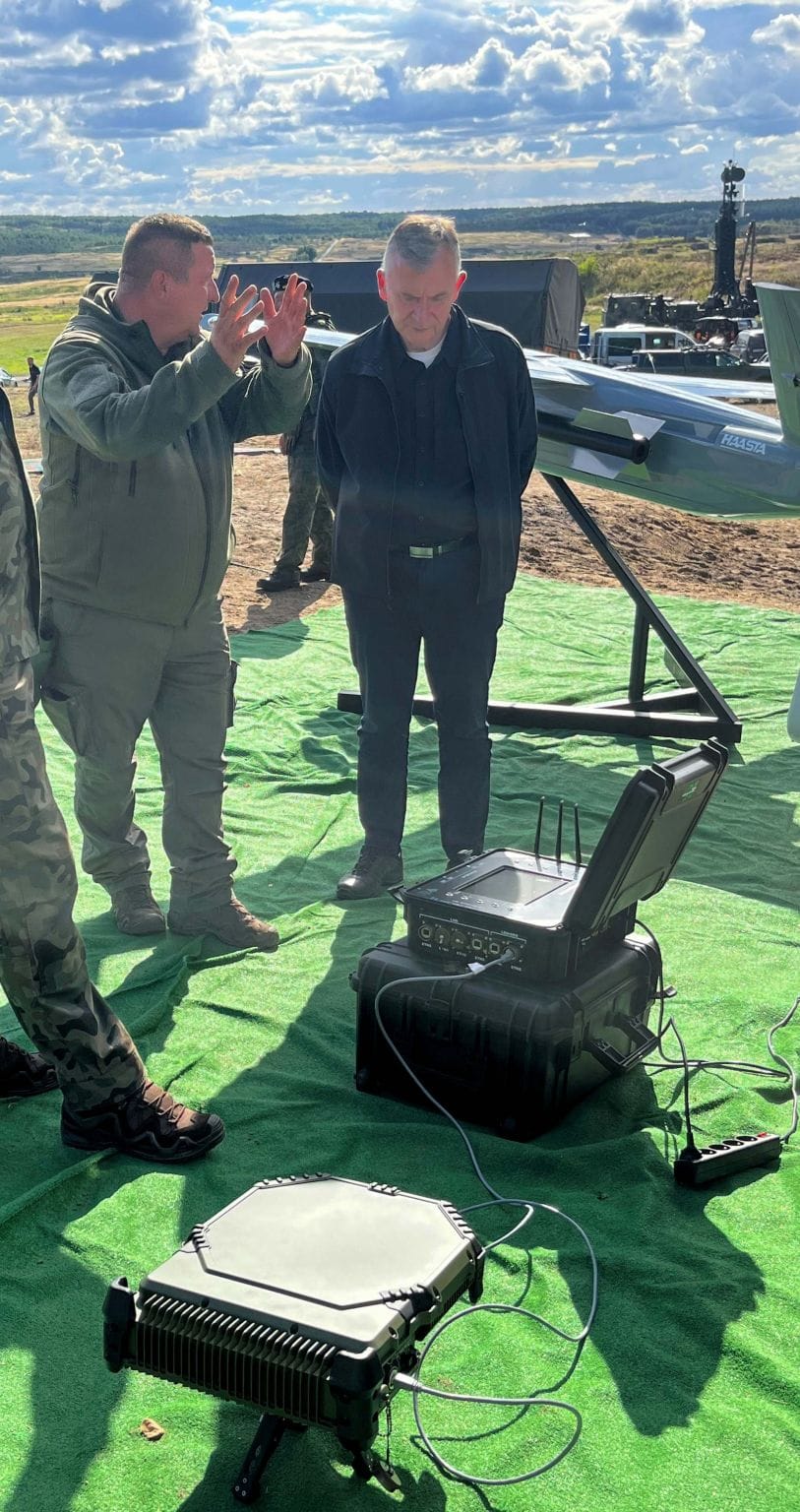
Aerobavovna builds tethered aerostats for that function: communications relay and antenna elevation between dispersed positions, operated with the Armed Forces of Ukraine.
Sources: MILMAG; WZŁ-1 via LinkedIn, 25 September 2026. Photos: WZŁ-1.