A Russian “HAPS” as a Starlink Alternative: What the Claims Miss

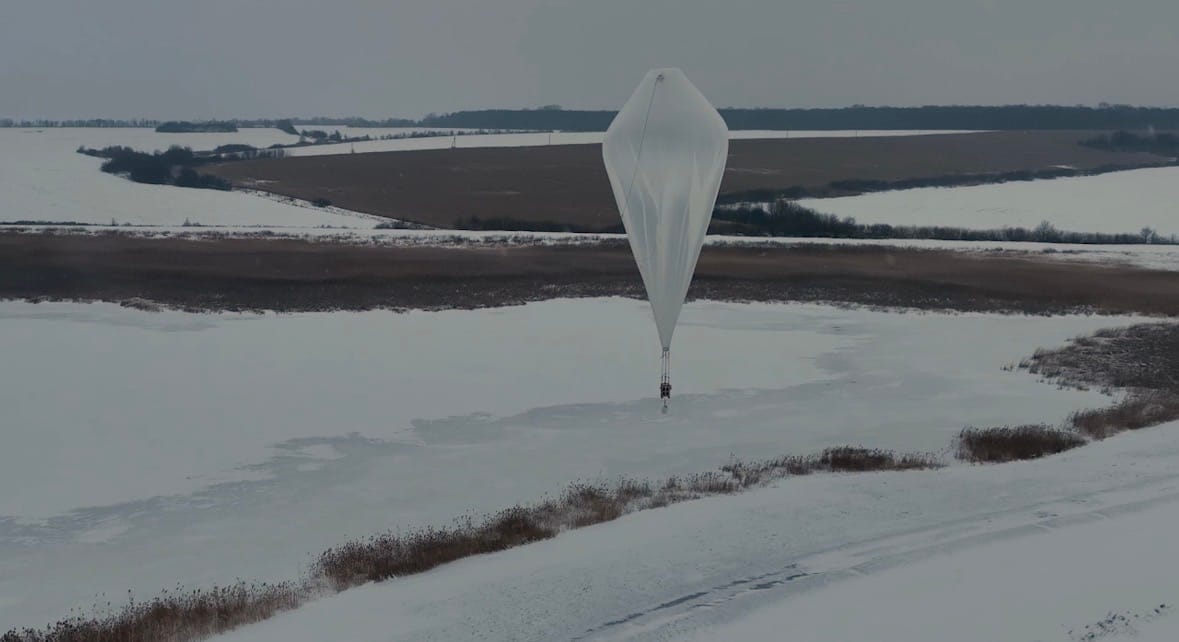
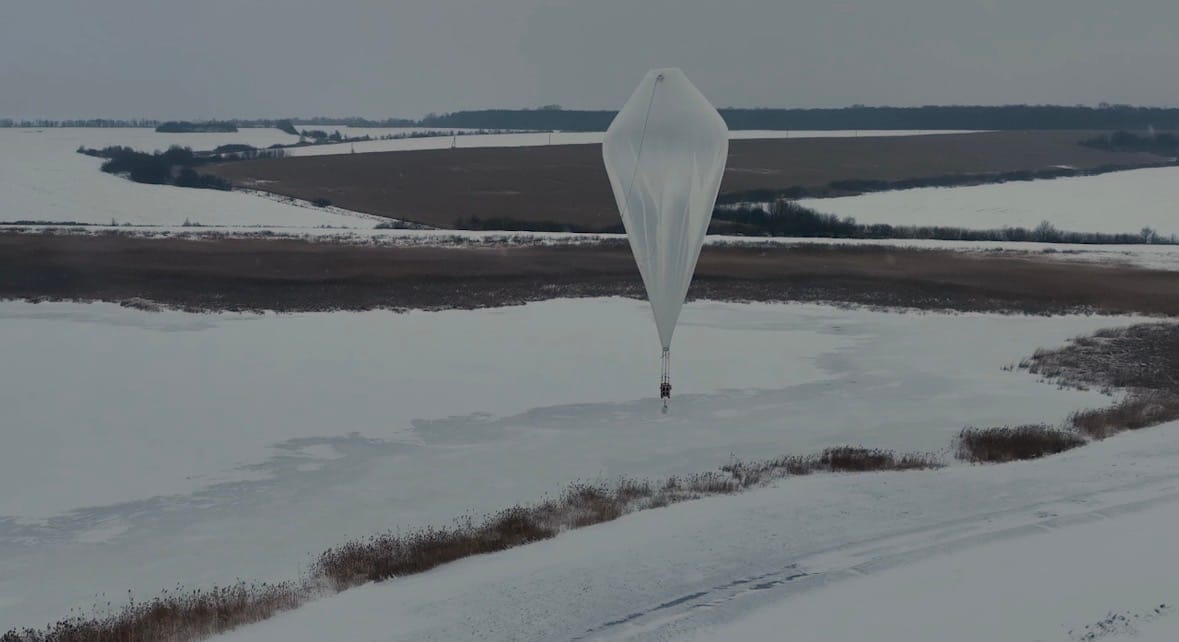
Recent Russian media reports describe tests of a stratospheric platform positioned as part of the HAPS (High Altitude Pseudo-Satellite)concept. The platform is claimed to lift up to 100 kg of payload to an altitude of 20 km and carry 5G communication equipment. According to these statements, the system is presented as a low-cost alternative to low Earth orbit satellite constellations, implicitly competing with Starlink.
A critical limitation largely ignored in these claims is the lack of effective station-keeping capability in this region. In the stratosphere over Ukraine and the European part of Russia, persistent west-to-east wind patterns dominate. As a result, such a platform can be launched, but it will inevitably drift eastward and cannot maintain a fixed position over a target area for extended periods, regardless of altitude control methods such as pneumatic ballast systems.
In practice, this restricts HAPS-based communication missions to short-duration operations, far from contested areas and without guaranteed coverage stability. This significantly limits the system’s usefulness for military applications, particularly as a replacement for satellite communications.
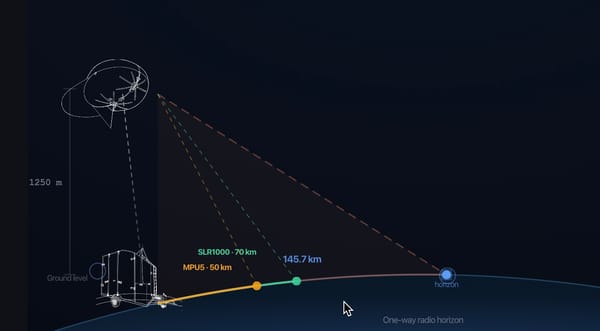
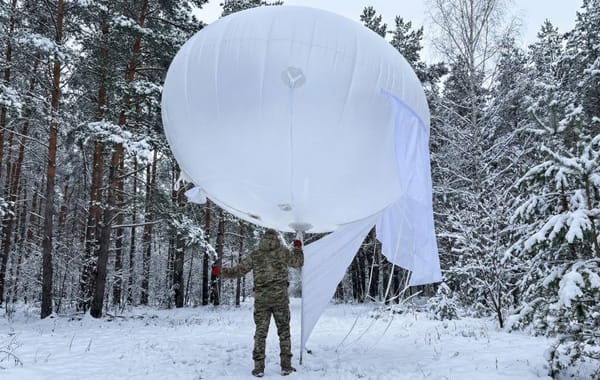
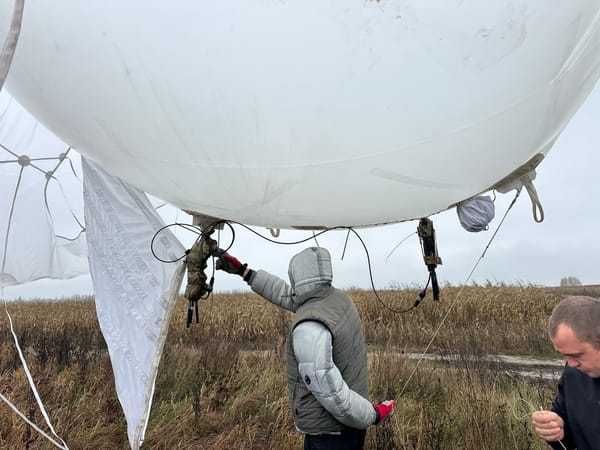
At the same time, the Ukrainian Defense Forces already make extensive use of tethered aerostats to provide tactical-level communications. These platforms can remain airborne for days or even weeks, delivering stable and predictable connectivity using proven radio systems from vendors such as Motorola, Silvus, Persistent systems and others.
While HAPS platforms are also used by the Ukrainian Defense Forces, they are not employed for 5G NTN communications and are not considered a substitute for satellite systems. Their real operational value is far more limited than suggested by recent Russian media narratives.